
Understanding raw milk safety is essential for anyone navigating the complex world of unpasteurized dairy in 2025. For some, farm-fresh milk is a nutrient-dense health miracle; for others, it represents a significant public health risk.
As legal regulations shift across the U.S., the debate over personal choice versus food safety continues to grow. In this guide, we break down the latest safety standards, current state laws, and what you need to know to make an informed decision for your health.
📌 At a Glance: The Raw Milk Safety Essentials
- Source Matters: Always vet your farm’s hygiene practices and testing frequency.
- Cold Chain Integrity: Ensure milk is chilled to 40°F (4°C) immediately after milking and during transport.
- Testing Standards: Look for farms that conduct regular testing for Salmonella, E. coli, and Listeria.
- Freshness: Raw milk is best consumed within 7–10 days when stored at optimal temperatures.
Beyond the Bottle: Why Raw Milk is Trending Again
Raw milk is defined as milk that has not undergone the pasteurization process, which involves heating the milk to kill harmful bacteria and extend its shelf life. Unlike pasteurized milk, which is the predominant form of dairy consumed in the United States, raw milk is prized by some for its perceived health benefits and natural flavor. Proponents argue that raw milk retains more nutrients, enzymes, and beneficial bacteria than its pasteurized counterpart. However, the consumption of raw milk also poses significant health risks due to the potential presence of pathogens such as Salmonella, E. coli, and Listeria.
Similarly, the consumption of raw spinach, cantaloupes, and sprouts also poses significant health risks due to the potential presence of pathogens such as Salmonella, E. coli, and Listeria, which can be introduced through contaminated irrigation water, soil, or the warm conditions required for growth.
The historical context of raw milk consumption dates back thousands of years, being a staple in many agricultural societies. As dairy farming practices developed, milk was often consumed directly from animals. However, with the advent of industrialization and the rise of food safety regulations, pasteurization became a common practice aimed at reducing outbreaks associated with contaminated milk. In recent decades, there has been a noticeable resurgence in the popularity of raw milk, particularly among health enthusiasts and those seeking organic food options. Supporters claim that raw milk represents a return to natural food sources and traditional practices.
As the demand for raw milk has increased, so has the complexity surrounding its safety and legal frameworks. Various states in the U.S. have different regulations governing the sale and distribution of raw milk, reflecting a divide between traditional practices and modern health concerns. Understanding these regulations, along with the potential risks of raw milk consumption, is crucial for consumers who are considering incorporating raw milk into their diets. This discussion will provide a deeper insight into the safety measures, legalities, and the broader implications of consuming raw milk.
The Science of the Sip: What’s Actually Inside?
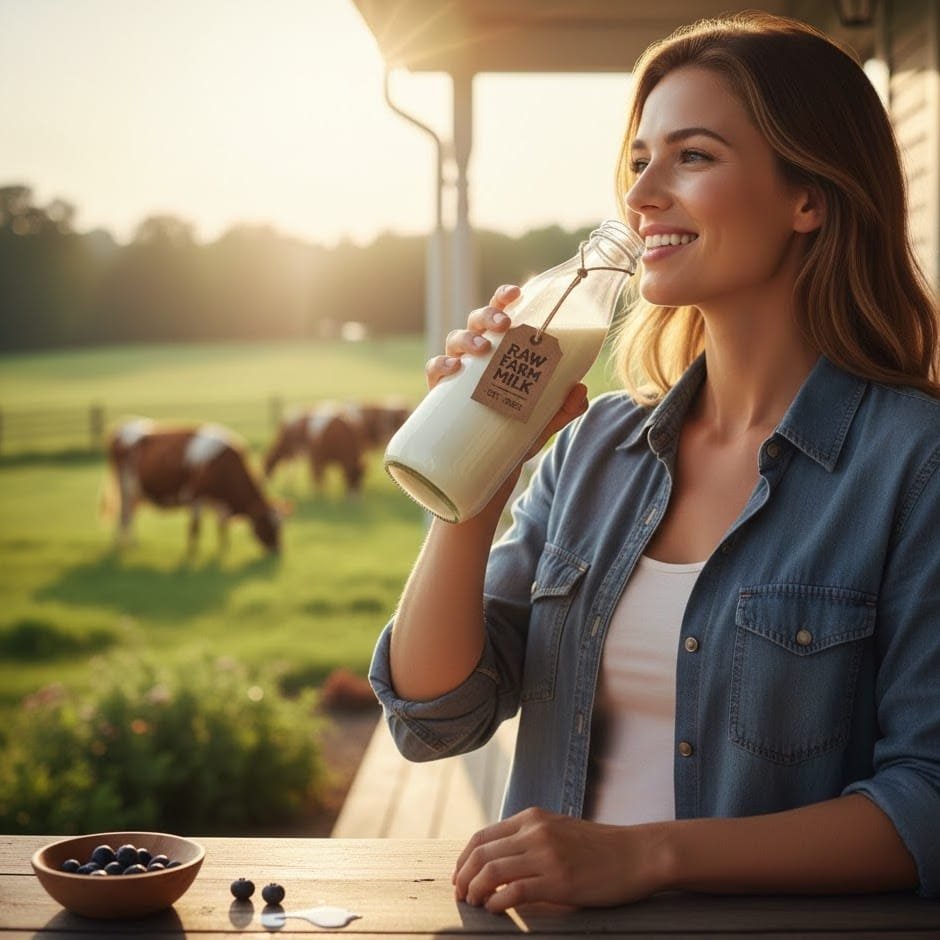
The consumption of raw milk, defined as milk that has not undergone pasteurization, presents a number of health risks that warrant careful consideration. One of the primary concerns is the presence of harmful bacteria that can lead to serious foodborne illnesses. Common pathogens found in raw milk include Salmonella, E. coli, and Listeria monocytogenes. These microorganisms can cause a range of illnesses, from mild gastrointestinal discomfort to severe infections that may require hospitalization.
Food safety practices are critical in mitigating the dangers related to raw milk consumption. Advocates of raw milk often emphasize its perceived health benefits; however, these benefits must be weighed against the risks. Pasteurization is a well-established method used to eliminate harmful bacteria from milk, thereby significantly reducing the chances of foodborne illness. This heat treatment process kills or inactivates pathogenic bacteria without substantially altering the nutritional content of the milk.
Understanding the Risks: Who Should Avoid Raw Milk?
Raw milk is particularly risky for certain population groups. Infants, pregnant women, the elderly, and individuals with weakened immune systems are more susceptible to the adverse effects of pathogens found in unpasteurized milk. For these groups, even small amounts of contaminated raw milk can lead to significant health complications. It is essential for consumers in these demographics to be aware of the heightened risks associated with raw milk.
In light of these concerns, it is crucial for individuals to make informed choices regarding raw milk consumption. Awareness of the potential health risks and the importance of food safety measures, including pasteurization, should guide consumer decisions. Understanding raw milk safety is essential for protecting public health and ensuring the well-being of vulnerable populations.
For example, when preparing traditional holiday treats like raw milk eggnog, following strict hygiene and temperature controls is the best way to ensure your ingredients remain fresh and safe.
The Legal Maze: Can You Legally Buy It?
The legal landscape for raw milk in the United States is complex and varies significantly across different states. At the federal level, the Food and Drug Administration (FDA) prohibits the sale of raw milk for human consumption across state lines, citing public health concerns related to foodborne illnesses. However, individual states have the authority to develop their own regulations concerning the sale and distribution of raw milk within their borders.
As a result, the legality of raw milk varies widely from state to state. Some states allow the sale of raw milk in retail stores, while others permit it only through direct farm sales or at farmers’ markets. For instance, states like California and Wisconsin have relatively lenient regulations, allowing raw milk sales at various outlets and with specific labeling requirements. In contrast, states such as New York and New Jersey maintain stricter laws, limiting raw milk to certain sale contexts.
In recent years, there has been a growing movement advocating for the legalization and increased accessibility of raw milk. Proponents argue that raw milk provides health benefits and supports local farmers, while critics emphasize the potential health risks involved. Legislative efforts to amend raw milk regulations have emerged in several states, reflecting a shift in public perception regarding natural food products. These advocacy efforts often encounter resistance from public health officials who caution against the consumption of unpasteurized milk due to the risks of pathogens like E. coli and Salmonella.
Indeed, the challenges associated with raw milk legislation highlight a broader debate concerning food safety, consumer choice, and agricultural practices. As communities continue to navigate the nuances of raw milk laws, the conversation around its legal status remains active, suggesting that future changes may alter the current landscape significantly.
The Future of Food Freedom
The debate surrounding raw milk consumption is increasingly influenced by consumer values and preferences. Many individuals choose to drink raw milk for perceived health benefits, including better nutrient availability and enhanced flavor, as they believe that unpasteurized dairy can offer a superior product compared to conventional alternatives.
This growing enthusiasm is mirrored by the rise of raw milk advocates, who argue for the right to access unprocessed dairy. Organizations supporting raw milk often highlight its traditional usage and the potential health benefits deemed lost through pasteurization. As awareness about food sources and sustainability increases among consumers, there is a notable movement for more transparency in dairy production and the legal avenues that govern access to raw milk.
Trends in consumer preferences indicate a robust interest in organic and locally-sourced foods, which includes raw dairy products. As more individuals seek out these alternatives, it is plausible that legislation surrounding raw milk could shift towards looser restrictions, allowing for greater access and distribution. Future legal changes may promote small-scale dairy farms, which often prioritize raw milk offerings, thus increasing competition with larger, conventional milk producers.
For consumers interested in staying informed on raw milk safety and legalities, numerous resources are available. Websites of advocacy groups provide comprehensive information on raw milk production, its associated risks, and the ongoing legal landscape across different states. Individuals can also seek advice from local health authorities on safe handling practices, ensuring that their choice to consume raw milk is informed by the best available guidance.
As the movement for freer access to raw dairy products becomes more pronounced, it remains essential for consumers to weigh the benefits against the potential risks, fostering a more nuanced understanding of raw milk in the contemporary marketplace.

Author: Team FRM
The FindingRawMilk Team is dedicated to building the most comprehensive and transparent directory for raw milk enthusiasts. Our mission is to bridge the gap between local farms and consumers by providing verified listings, clear state-by-state legal guides, and educational resources. We believe in the importance of food freedom and strive to make sourcing high-quality, farm-fresh milk as simple as a single search.



Leave a Reply