Raw milk laws by state determine whether you can buy unpasteurized milk at a store, purchase directly from a farm, or obtain milk through a herdshare. Sales channels, permits, labeling, and delivery rules vary.
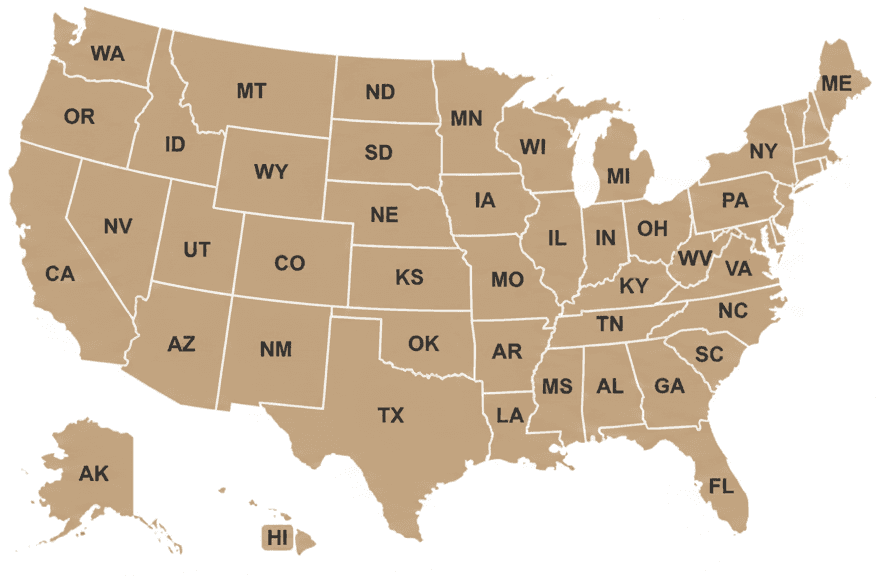
Choose your state below to see what is allowed, understand the restrictions, and find local listings.
What Our Raw Milk Access Ratings Mean
Our ratings reflect how much legal freedom a state gives consumers and producers to obtain and provide raw milk for human consumption.
More stars mean broader legal access and fewer restrictions on purchasing options.
| Rating | Access level | Meaning |
|---|---|---|
| ★★★★★ | Broad access | Human-consumption sales are legal through broad purchasing channels, including retail stores. |
| ★★★★☆ | Generally accessible | Human-consumption sales are legal, with meaningful restrictions on where or how milk can be sold. |
| ★★★☆☆ | Limited access | Legal access exists, but purchasing channels or producer eligibility are substantially restricted. |
| ★★☆☆☆ | Highly restricted | Only narrow legal arrangements or exceptions provide access for human consumption. |
| ★☆☆☆☆ | Human-consumption sales prohibited | State law prohibits sales for human consumption. Animal-feed sales may be permitted separately. |
These are Finding Raw Milk’s editorial ratings of state laws. They do not measure farm quality, milk safety, or the number of nearby producers.
Each state’s summary explains the reason for its rating. The specific rules matter more than the star count alone.
How State Raw Milk Laws Affect Your Options
Retail Store Sales
Some states allow qualifying raw milk to be sold in grocery stores, co-ops, or other retail outlets. Producer licensing, labeling, and testing requirements depend on the state.
Check your state guide before assuming a store can legally stock raw milk.
Direct Farm Sales and Delivery
Other states permit direct purchases from producers while restricting sales through third-party stores.
Farm pickup, home delivery, drop points, and farmers’ market transactions can have different rules. Permission to sell at a farm does not automatically permit every delivery or off-farm sales arrangement.
Herdshares and Animal Ownership
A herdshare generally involves an ownership interest in a dairy animal or herd and an agreement covering its care and milk distribution.
Some states recognize these arrangements. Others restrict them or do not treat a share agreement as an exception to sales laws. Check your state’s requirements before joining.
Animal Feed and Pet Milk
Raw milk sold for animals falls under a different regulatory category from milk sold for people.
An animal-feed permit or pet-food label does not authorize sales for human consumption. Our state guides distinguish animal-use products from legal human-consumption access.
Raw Milk Laws by State and Interstate Sales
State permission to sell raw milk does not authorize interstate sales.
Federal regulations generally prohibit raw drinking milk in final packaged form from entering interstate commerce for direct human consumption. Certain dairy products, including qualifying cheeses, have separate exceptions.
Before arranging shipping across state lines, check the applicable federal and state requirements.
Before You Contact a Producer
Review the raw milk laws by state guide for your location, then ask the producer:
- Is the milk offered for human consumption or animal use?
- Does the operation hold the permits required for that sales channel?
- Is pickup required, or is delivery permitted?
- Do you need to preorder or join a herdshare?
- Which products are available under the operation’s permit?
A directory listing helps you locate a producer. Confirm current availability and legal compliance directly with the farm.
Find Raw Milk Near You
Once you understand your state’s rules, browse local listings and contact producers about their products and purchasing arrangements.
Know a farm that is missing? Add a listing to help others find local sources.
Follow Raw Milk Law Updates

Add Finding Raw Milk as a preferred source to see more of our coverage on Google.