🚨 August Update: FDA Upgrades Recall to Highest Risk Level
The FDA officially upgraded the Publix GreenWise organic frozen berry recall to a Class I recall—the agency’s most severe health hazard designation. A Class I classification indicates a reasonable probability that consuming the contaminated berries will cause severe health consequences or death. The CDC continues to investigate 12 confirmed E. coli O145 illnesses and 4 hospitalizations linked to the product across 8 southeastern states. You can review the official status report directly on the FDA Outbreak Investigation Page.
LOOK, PRODUCE CAN MAKE YOU SICK TOO!
There. We said the quiet part out loud.
The recent Publix E. coli outbreak involving recalled GreenWise organic frozen berries is proof that foodborne illness isn’t exclusive to raw milk. It happens with commercial produce, frozen fruit, leafy greens, poultry, deli meat, and ultra-processed shelf-stable foods.
Before anyone starts throwing frozen blueberries under the bus or staging a dramatic boycott of morning smoothies, let’s get one thing straight: pointing out a berry recall isn’t about scoring cheap points against fruit.
The point is that food safety applies across the entire grocery store. Right now, federal health agencies and Publix Super Markets are dealing with a massive recall involving GreenWise Organic Whole Blueberries and Whole Mixed Berries linked to an active E. coli O145:H28 outbreak.
According to federal health data, the Publix E. coli outbreak has already sickened 12 people and put 4 in the hospital across Florida and Georgia.
Here’s where things get interesting.
When raw milk gets mentioned in a foodborne illness investigation, the public and regulatory reaction is instant and total: “See? This is why raw milk should be outlawed nationwide.”
When commercial grocery store produce is involved, everybody suddenly remembers how complex real-world food systems actually are. We trace lot numbers, evaluate supply chains, issue targeted recalls, and discuss risk management.
That’s the exact standard we should apply across the entire food supply—including raw dairy.
What Actually Happened in the Publix E. coli Outbreak?
Before we dive into the double standard, let’s look at how this investigation actually played out on the ground.
The investigation into the Publix E. coli outbreak spread across eight southeastern states (Alabama, Florida, Georgia, Kentucky, North Carolina, South Carolina, Tennessee, and Virginia) in a few distinct phases:
- May 11 – June 5: Illness onset dates for patients in Florida and Georgia who contracted Shiga toxin-producing E. coli O145:H28.
- Late June: Publix quietly executed an internal “stop-sale” on frozen GreenWise Organic blueberries and mixed berries after state health officials flagged an illness cluster.
- July 3: Chilean supplier Frutas y Hortalizas del Sur S.A. announced a tiny, initial recall covering just a single lot (Lot Code 60401) of 10-ounce GreenWise Organic Blueberries.
- July 29–30: Traceback and epidemiological investigations forced Publix and the FDA to expand the recall to ALL lots of both 10-ounce and 48-ounce packages of GreenWise Organic Whole Blueberries and Mixed Berries.
The Recalled Items to Check in Your Freezer:
- GreenWise Organic Whole Blueberries (10 oz) – UPC:
41415-06453 - GreenWise Organic Whole Blueberries (48 oz) – UPC:
41415-12053 - GreenWise Organic Whole Mixed Berries (10 oz) – UPC:
41415-06753 - GreenWise Organic Whole Mixed Berries (48 oz) – UPC:
41415-12153
Yep. Frozen Blueberries.
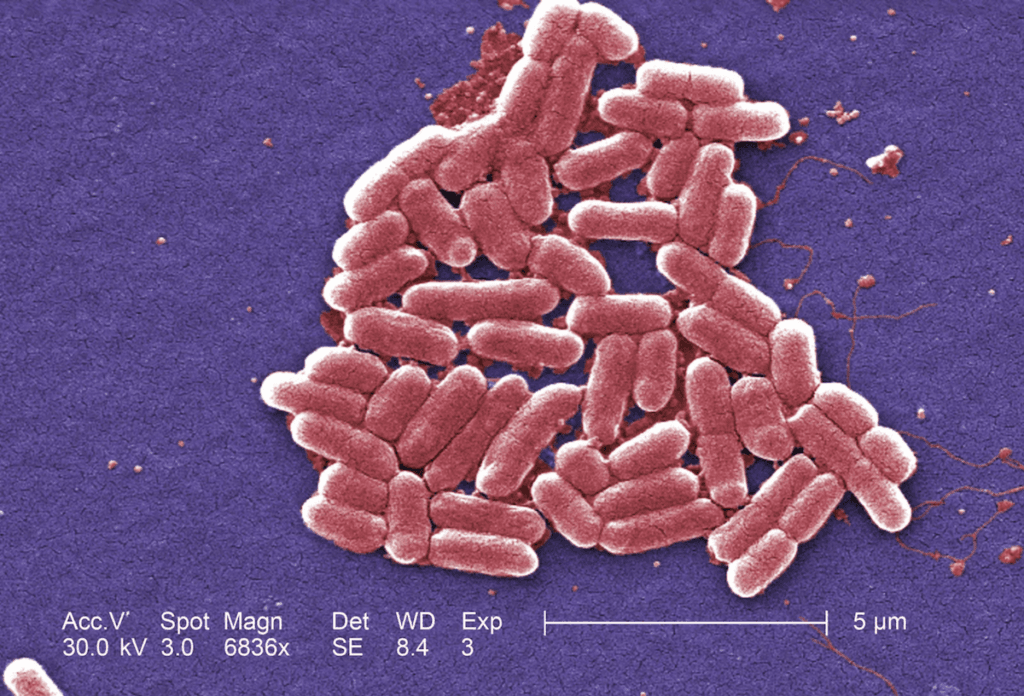
What makes the Publix E. coli outbreak particularly concerning is the pathogen involved. E. coli O145 isn’t a mild “stomach bug.” It’s a Shiga toxin-producing strain that causes severe stomach cramps, vomiting, and bloody diarrhea. In young children and the elderly, it can lead to Hemolytic Uremic Syndrome (HUS)—a terrifying form of acute kidney failure.
Two things make frozen fruit recalls particularly tricky:
- Freezing Doesn’t Kill E. coli: Cold temperatures don’t destroy bacteria; they preserve it. A bag of frozen berries with a best-by date in 2028 can sit in someone’s freezer for years, posing a risk every single time they blend a smoothie.
- Blend Contamination Runs Wild: Once contaminated blueberries get tossed into a “mixed berry” processing line, the contamination spreads across multiple product lines and suppliers, making traceback a nightmare.
Food Safety Doesn’t Stop at the Dairy Case
When you look at public health coverage of the Publix E. coli outbreak, official statements emphasize that the retailer is acting “out of an abundance of caution.”
Notice how corporate PR and public health officials frame a major produce recall:
- The Fix: Identify the supplier, pull the affected lot numbers, tell folks to check their freezers, and offer a full refund at customer service.
- The Narrative: Nobody suggests banning organic blueberries, outlawing frozen fruit blends, or shutting down retail smoothie bars.
We intuitively get that produce grows outside in soil, drinks irrigation water, and moves through long supply chains. Contamination events—while serious—are treated as systemic glitches to be investigated, isolated, and fixed.
Now, Compare That to Raw Milk
When a licensed raw dairy farm gets a single positive test or recall notice, the media coverage and regulatory hammer look entirely different:
| Scenario | Commercial Produce Recall (Publix / E. coli) | Raw Milk Pathogen Detection |
| Public Narrative | “Check your freezer and grab a refund.” | “Raw milk is liquid Russian roulette.” |
| Regulatory Action | Traceback, recall specific lots, keep selling the rest. | Immediate farm shutdowns, cease-and-desist orders, total bans. |
| Media Framing | An isolated supply chain hiccup. | An inherently unsafe product that shouldn’t exist. |
| Consumer Mindset | Expect better quality control next time. | Demand zero-tolerance prohibition. |
Where the Double Standard Gets Real
The response to this Publix E. coli outbreak highlights why we run two completely different rulebooks for food safety.
When a commercial food processor triggers an outbreak, public policy focuses on risk management: How do we make the packing house cleaner? What water testing failed? How can we improve traceback technology?
When raw milk is mentioned, critics instantly jump to risk elimination: Because a risk exists, this product should be illegal to buy.
If we applied that same “risk elimination” logic to the rest of the grocery store, we would have outlawed raw spinach, romaine lettuce, cantaloupe, deli meat, flour, and frozen berries decades ago.
Between produce outbreaks, poultry recalls, and deli meat warnings, commercial supply chains account for thousands of hospitalizations every year. Yet we don’t ban salads—we figure out how to grow safer lettuce.
What Responsible Raw Milk Farmers Actually Do
At FindingRawMilk.com, our position is dead simple: Food safety matters everywhere.
We aren’t here to pretend bacteria doesn’t exist. Raw milk can carry pathogens if it’s produced carelessly—just like raw produce, raw oysters, or raw ground beef.
That’s why responsible raw dairy farmers hold themselves to strict, voluntary testing standards, including:
- On-Farm Batch Testing: Routine testing for E. coli, Listeria, Salmonella, and Campylobacter before milk leaves the farm.
- Low Bacterial Thresholds: Maintaining coliform counts far lower than what standard industrial dairies ship off to pasteurization plants.
- Obsessive Cold-Chain Monitoring: Rapid chilling equipment that drops milk temperature in seconds to keep bacteria from multiplying.
When a raw milk farmer invests in rigorous safety protocols and transparent batch testing, they are operating with the exact same accountability we expect from any premium organic producer.
The Point Isn’t That Produce Is “Dangerous”
Ultimately, the Publix E. coli outbreak shows us that food safety requires transparency across all food categories. So, yes—produce can make you sick. So can raw milk. So can chicken, eggs, pre-cut melon, or pre-packaged sandwiches.
That’s precisely why “make raw milk illegal” isn’t a real food-safety argument.
The questions we should be asking about every single food in our fridge are:
- What was the contamination source?
- What sanitation protocols were in place?
- Is batch testing transparently available to consumers?
- What safeguards will prevent this from happening next time?
Whether you’re holding a bag of frozen GreenWise blueberries or a glass jug of fresh raw milk from a local pasture-raised farm, you deserve transparency, fair standards, and an honest conversation about food safety.
- Related Reading: Cyclospora Parasite: 1 Shocking Double Standard vs. Raw Milk — How public health reactions differed during recent produce parasite investigations.
- Explore the Map: Find Tested, Real Raw Milk Near You — Locate vetted, local farms adhering to strict raw dairy safety protocols.

Author: Team FRM
The FindingRawMilk Team is dedicated to building the most comprehensive and transparent directory for raw milk enthusiasts. Our mission is to bridge the gap between local farms and consumers by providing verified listings, clear state-by-state legal guides, and educational resources. We believe in the importance of food freedom and strive to make sourcing high-quality, farm-fresh milk as simple as a single search.



Leave a Reply