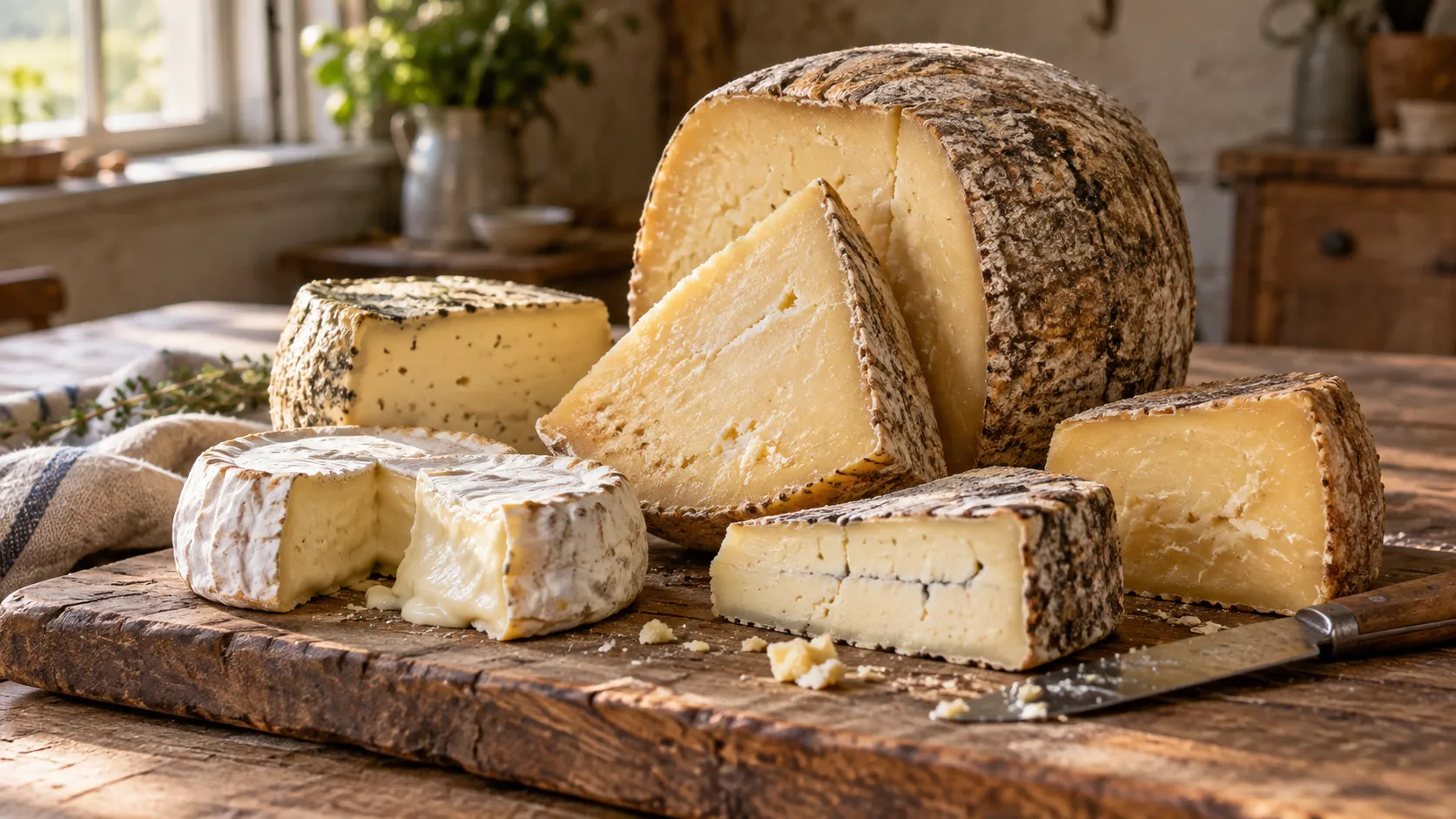
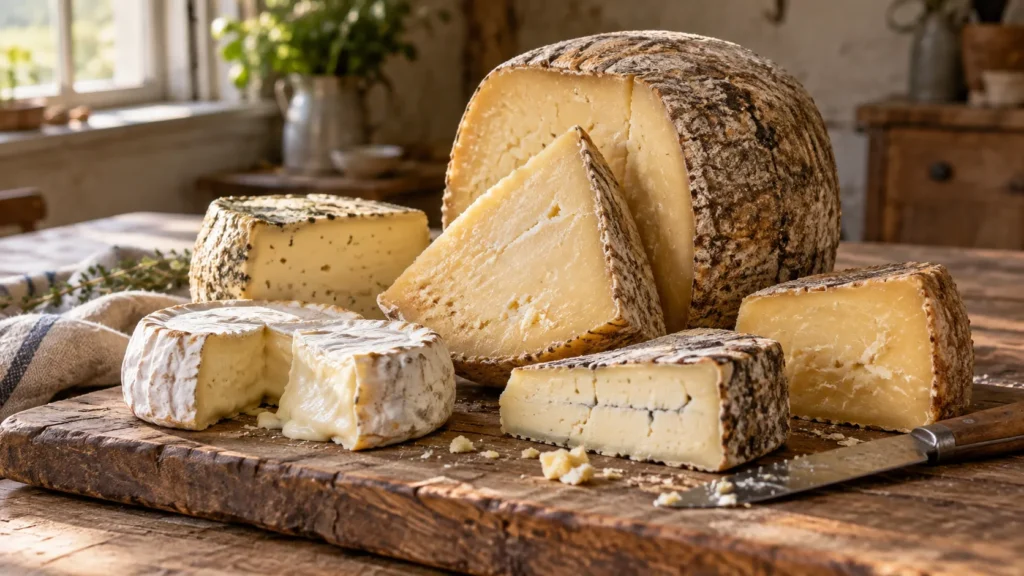
Raw milk cheese is one of the oldest expressions of traditional dairy. For generations, farmers and cheesemakers have transformed fresh milk into everything from creamy, delicate cheeses to rich, aged wheels with distinctive flavors and textures.
Today, that tradition continues on family dairy farms, in artisan creameries, and throughout established cheesemaking regions around the world.
Many people are drawn to raw milk cheese for its connection to the farm, its traditional production methods, and the flavors that develop through fermentation and aging. Others discover it while exploring local foods or looking for a way to experience raw dairy.
Whether you’re buying your first wedge of raw milk cheddar or thinking about making cheese at home, there’s plenty to explore.
This guide covers what raw milk cheese is, how it’s made, the different varieties, aging requirements, how to choose a producer, and practical ways to store and enjoy it.
What Is Raw Milk Cheese?
Raw milk cheese is cheese made from milk that has not been pasteurized before cheesemaking.
The milk may come from cows, goats, sheep, or other dairy animals. It is transformed into cheese through a combination of culturing, coagulation, draining, salting, and, for many varieties, aging.
Raw milk cheese is also commonly called unpasteurized cheese.
Unlike cheese made from pasteurized milk, raw milk cheese begins with milk that retains its naturally occurring microbial community. Those microorganisms, together with selected cheesemaking cultures, can influence how a cheese develops.
The finished product depends on much more than whether the milk was pasteurized. Animal breed, pasture and feed, season, milk composition, cultures, and the cheesemaker’s techniques all contribute.
Why Do Cheesemakers Use Raw Milk?
Many artisan cheesemakers appreciate raw milk because it offers an opportunity to work with the natural characteristics of milk from a particular herd, farm, or season.
Raw milk can contribute microorganisms and enzymes that participate in ripening. These may influence aroma, texture, and flavor, depending on the cheese and production process.
For traditional cheesemakers, working with raw milk can also be a way of preserving regional practices passed down through generations.
Some cheeses are closely associated with particular places, breeds, and farming traditions. Their identities reflect the relationship between the animals, the landscape, and the cheesemaker’s craft.
Does Raw Milk Cheese Contain Live Cultures?
Many cheeses contain living microorganisms, particularly during production and ripening.
Some finished cheeses retain live cultures, although the types and quantities vary. Aging, salt, moisture, and storage conditions all affect microbial populations.
It’s worth distinguishing live cultures from probiotics. A microorganism must have demonstrated health benefits when consumed in adequate amounts to qualify as a probiotic. Not every cheese containing live cultures meets that definition.
For more about the milk itself, see What Is Raw Milk?.
How Is Raw Milk Cheese Made?
Cheesemaking is both a practical skill and a craft. While recipes differ, most cheeses begin with the same basic idea: separating milk into curds and whey, then shaping those curds into a finished cheese.
1. Start With Fresh Milk
The process begins with milk from a dairy herd.
Cheesemakers pay close attention to the milk’s freshness, composition, handling, and temperature. These characteristics influence how the milk responds to cultures and coagulants.
Milk quality is especially important in raw milk cheesemaking because the milk is used without pasteurization.
2. Add Cultures
Many cheesemakers introduce selected cultures of lactic acid bacteria.
These cultures help convert lactose into lactic acid, gradually changing the milk’s acidity. This influences curd formation, flavor development, and the conditions under which the cheese ripens.
Some traditional methods also make use of naturally occurring microorganisms associated with the milk or cheesemaking environment.
3. Form the Curds
Rennet or another coagulant is often added to help the milk set into a gel.
The cheesemaker then cuts the curd, allowing whey to separate.
The size of the curd pieces, stirring, and temperature all influence the amount of moisture retained.
Rennet has a long history in traditional cheesemaking, but modern producers may use animal rennet, microbial coagulants, or fermentation-produced chymosin (FPC). These choices can reflect a cheesemaker’s traditions, production methods, and preferences. For a closer look at how cheesemaking ingredients have evolved, read our article on the history of rennet, FPC, and GMO cheese.
4. Drain, Salt, and Shape
The curds may be drained, pressed, molded, or handled in other ways depending on the variety.
Salt contributes flavor, affects moisture, and helps guide microbial activity during ripening.
A soft cheese and a firm aged cheddar can begin with similar ingredients but develop very differently through these steps.
5. Age the Cheese
Aging, also called ripening or affinage, is where many cheeses develop their distinctive character.
Over time, enzymes and microorganisms change proteins and fats, producing new aromas, flavors, and textures.
Some cheeses develop natural rinds. Others are washed, brushed, turned, or carefully monitored in temperature- and humidity-controlled aging spaces.
Aging may last weeks, months, or even years.
Types of Raw Milk Cheese
Raw milk can be used to make many styles of cheese. Each has its own texture, flavor, and production tradition.
| Cheese style | Typical characteristics |
|---|---|
| Fresh cheese | Soft, moist, mild, and generally eaten without extended aging |
| Soft-ripened cheese | Creamy interior with a developed surface rind |
| Semi-hard cheese | Firm enough to slice, with a wide range of flavors |
| Hard aged cheese | Dense or crumbly, often with concentrated flavors |
| Blue-veined cheese | Characteristic mold development and bold flavors |
Not every cheese in these categories is made from raw milk. The milk treatment depends on the particular producer and product.
Raw Milk Cheddar
Cheddar is one of the most accessible varieties for people interested in exploring raw milk cheese.
Raw milk cheddar can range from relatively mild and creamy to sharp, savory, and crumbly, depending on how it’s made and aged.
Try comparing cheeses from different creameries or with different aging periods. It’s an enjoyable way to discover how much variety exists within a familiar cheese style.
Alpine-Style Cheeses
Traditional Alpine cheesemaking has deep roots in the mountain regions of Europe.
Some regional cheeses are made using raw milk under specific production standards. These cheeses are often associated with seasonal milk, traditional cultures, large wheels, and extended aging.
Alpine-style cheeses can offer nutty, buttery, savory, or fruity notes, depending on the variety.
Sheep’s Milk Cheese
Sheep’s milk is naturally rich in milk solids, making it well suited to many cheesemaking traditions.
Raw sheep’s milk cheeses may range from firm, salty varieties to richly flavored aged cheeses.
Goat’s Milk Cheese
Goat’s milk brings another set of characteristics to cheesemaking.
Depending on the recipe and aging process, goat’s milk cheese can be creamy, tangy, earthy, firm, or delicate.
The flavor is influenced by more than the animal species. Herd management, milk freshness, cultures, and ripening all play important roles.
Why Is Raw Milk Cheese Often Aged for 60 Days?
If you’ve shopped for raw milk cheese in the United States, you’ve probably encountered the 60-day aging rule.
Under federal standards for many varieties, cheese made from unpasteurized milk must be aged for at least 60 days at a temperature of 35°F or higher.
For example, the federal standard for cheddar includes this requirement when the dairy ingredients have not been pasteurized.
The rule is part of the regulatory framework governing certain cheeses sold commercially in the United States.
It does not apply identically to every possible cheese product, and it should not be interpreted as blanket permission to sell all fresh raw milk cheeses.
What Happens During Aging?
Aging is much more than waiting for a cheese to become older.
During ripening, changes in acidity, salt, moisture, and microbial activity influence both flavor and the environment within the cheese.
Some microorganisms decline under these conditions, while others contribute to the desired ripening process.
The result varies considerably between a dry, hard cheese and a soft, high-moisture cheese.
Does the 60-Day Rule Guarantee Safety?
The aging requirement is an established regulatory measure, but 60 days is not a guarantee that every harmful microorganism has been eliminated.
That is why experienced cheesemakers pay attention to milk quality, sanitation, acidification, moisture, salt, aging conditions, and other aspects of production.
These practices are part of producing a consistent, well-made cheese, whether it’s intended for a local farm shop or a wider retail market.
What About State Laws?
State regulations may affect production, licensing, direct sales, and distribution.
The rules governing raw drinking milk and raw milk cheese are not necessarily the same.
For additional information, visit Is Raw Milk Legal in My State? or browse the state raw milk laws.
Raw Milk Cheese vs. Pasteurized-Milk Cheese
Both raw and pasteurized milk can produce excellent cheese.
The choice of milk influences the cheesemaking process, but the finished result also depends on the cheesemaker’s methods.
| Characteristic | Raw milk cheese | Pasteurized-milk cheese |
|---|---|---|
| Starting milk | Milk has not been pasteurized | Milk has undergone pasteurization |
| Microbial character | May include microorganisms naturally present in the milk | Typically relies more heavily on selected cultures |
| Flavor | Can reflect the milk’s natural microbial characteristics | Can also develop complex flavors through culturing and aging |
| Traditional production | Used in many longstanding regional cheesemaking traditions | Used in both traditional and modern cheesemaking |
| Nutrition | Varies by milk, recipe, and cheese style | Varies by milk, recipe, and cheese style |
| Food safety | Requires attention to risks associated with unpasteurized milk | Pasteurization reduces milk-borne pathogens, although contamination can occur afterward |
What Makes Raw Milk Cheese Taste Different?
One of the pleasures of exploring artisan cheese is discovering how much flavor can vary between producers.
Raw milk’s natural microorganisms and enzymes may influence ripening, creating characteristics that cheesemakers value.
But pasteurization isn’t the only variable. Breed, feed, season, starter cultures, salt, and aging methods can have substantial effects.
The best way to understand the differences is to explore cheeses made by knowledgeable producers and pay attention to the styles you enjoy.
Is Raw Milk Cheese More Nutritious?
Cheese can provide protein, calcium, phosphorus, fat, and other nutrients.
The nutritional composition depends on the milk, moisture content, recipe, and finished cheese.
Some people prefer raw milk cheese because of its traditional production methods and microbial characteristics. However, evidence does not establish that all raw milk cheeses provide greater nutritional benefits or better health outcomes than comparable pasteurized-milk cheeses.
For a closer look at milk processing and composition, read Raw Milk vs. Pasteurized Milk.
Choosing Raw Milk Cheese From a Reputable Producer
One of the best parts of exploring raw milk cheese is getting to know the people who make it.
Small dairy farms and artisan creameries often have distinctive approaches shaped by their herds, milk, and cheesemaking traditions.
When buying directly, a conversation with the producer can help you appreciate the cheese and understand how it’s made.
Questions Worth Asking
- Where does the milk come from? Some cheesemakers use milk from their own herds, while others work with neighboring dairy farms.
- What animals produce the milk? Cow, goat, and sheep milk bring different characteristics.
- How is the cheese made? Ask about cultures, rennet, traditional techniques, and the general production process.
- How long is it aged? Aging can have a substantial influence on flavor and texture.
- How is quality managed? A producer should be comfortable explaining milk handling, sanitation, aging conditions, and relevant testing.
- How should I store and serve it? Cheesemakers often have useful recommendations specific to their products.
You don’t need to become a cheesemaking expert to enjoy artisan cheese. Curiosity and a few thoughtful questions are a good place to start.
Is Raw Milk Cheese Safe?
Raw milk cheese has a long history, and many cheesemakers have developed detailed practices for producing it.
Like other foods, cheese requires appropriate handling and production controls. Raw milk presents particular microbiological considerations because it has not undergone pasteurization.
Potential pathogens include Listeria monocytogenes, Salmonella, pathogenic E. coli, and Campylobacter. These organisms can cause foodborne illness if present in a finished product.
Why Production Practices Matter
Good cheesemaking involves much more than aging a wheel for a certain number of days.
Milk handling, clean equipment, appropriate cultures, acidity, moisture, salt, and aging conditions all contribute to the process.
Commercial cheesemakers may also use environmental monitoring, microbiological testing, and documented food safety procedures.
These measures help manage risks, although no individual measure or test guarantees a pathogen-free product.
Are Some Cheese Styles Different From Others?
Yes. A hard, low-moisture aged cheese has different characteristics from a fresh, high-moisture cheese.
Those differences affect how microorganisms behave.
Soft, high-moisture cheeses can be particularly susceptible to certain contamination problems, including Listeria. Contamination can also occur in cheese made from pasteurized milk after the milk has been heat-treated.
Who Should Take Additional Precautions?
Pregnant women, young children, adults 65 and older, and people with weakened immune systems are more vulnerable to serious consequences from certain foodborne infections.
The CDC recommends that people in these groups avoid unpasteurized dairy products, including raw milk cheese. Its guidance also identifies certain soft cheeses as higher-risk foods.
For people in higher-risk groups who want to enjoy these cheeses in cooked dishes, CDC guidance describes heating them to 165°F or until steaming hot as a way to kill harmful microorganisms such as Listeria.
Understanding these distinctions helps readers make informed choices based on their own circumstances.
How to Read Raw Milk Cheese Labels
Cheese labels can tell you quite a bit about the product, especially when paired with information from the cheesemaker.
Check the Milk Treatment
Look for terms such as:
- Raw milk or unpasteurized milk: The milk was not pasteurized before cheesemaking.
- Pasteurized milk: The milk underwent pasteurization.
- Thermized milk: The milk received a heat treatment that is generally milder than conventional pasteurization.
If you’re unsure, ask the retailer or producer.
Look for the Cheesemaker
The producer’s name and location can help you learn more about the farm, creamery, and methods used.
Many artisan cheesemakers share information about their herds, seasonal production, and aging techniques.
Understand Aging Descriptions
Terms such as aged 60 days, aged six months, or aged one year describe part of the ripening process.
Aging often influences flavor intensity and texture, but the result varies by cheese.
The length of aging alone does not establish a particular level of safety or quality.
Follow Storage Instructions
Different cheeses have different storage needs. Use the producer’s recommendations, particularly for soft or specialty varieties.
Where Can You Buy Raw Milk Cheese?
You may be surprised by how many places carry raw milk cheese, particularly aged varieties.
Local Farms and Creameries
Buying directly from a dairy farm or creamery offers an opportunity to learn about the animals, milk, and cheesemaking process.
Some farms produce their own cheese. Others partner with local cheesemakers or sell a selection of dairy products.
The Finding Raw Milk farm directory is a starting point for discovering local dairy producers.
Not every listed farm sells cheese, so contact the producer to ask about availability before visiting.
Farmers Markets
Farmers markets can be an enjoyable place to discover regional cheeses and meet producers.
Availability depends on local regulations, the market, and the vendors participating.
Specialty Cheese Shops
Independent cheese shops often offer selections from domestic and international artisan cheesemakers.
A knowledgeable cheesemonger can explain milk sources, aging, textures, and flavor profiles.
Grocery Stores
Some supermarkets carry aged raw milk cheeses, including selected cheddars and imported varieties.
For grocery-store examples and a more personal introduction to raw dairy, read our companion article, Raw Cheese: The Ultimate Stepping Stone to Raw Dairy.
Online Cheese Shops
Some licensed producers and specialty retailers ship eligible cheeses.
Check shipping conditions, delivery schedules, and any applicable restrictions. Perishable cheese should be packaged and transported according to its storage requirements.
How to Store and Serve Raw Milk Cheese
A little attention to storage helps preserve the texture, flavor, and character of a good cheese.
Keep It at the Right Temperature
Most perishable cheeses should be refrigerated at 40°F (4°C) or below, unless the producer provides more specific guidance.
A refrigerator thermometer can help you maintain a consistent temperature.
Choose Suitable Wrapping
Many firm and aged cheeses benefit from wrapping designed to manage moisture while allowing some airflow.
Cheese paper is a popular option. Other varieties may be best kept in their original packaging or a covered container.
Ask your cheesemonger or producer what works best for the particular cheese.
Use Clean Utensils
Clean knives, cutting boards, and hands help protect the cheese during handling.
If you’re preparing several cheeses, using separate utensils can also prevent their flavors from mixing.
Know When to Discard Cheese
Cheese naturally changes as it ages, and some varieties intentionally develop surface molds.
However, unexpected slime, damaged packaging, unusual changes, or visible spoilage can indicate a problem. Harmful microorganisms do not always produce noticeable signs.
If you’re uncertain whether a cheese is safe, don’t taste it to find out.
Enjoying Raw Milk Cheese
Try a small tasting of cheeses with different milk sources or aging periods.
A mild cheddar, an aged Alpine-style cheese, and a sheep’s milk cheese can offer an interesting range of textures and flavors.
Serve them with simple accompaniments that complement rather than overpower the cheese.
Can You Make Raw Milk Cheese at Home?
Absolutely. Home cheesemaking is a rewarding traditional dairy skill, and raw milk has been used to make cheese for generations.
For people who enjoy working with fresh farm milk, making cheese offers another way to appreciate its versatility.
You can begin by learning the fundamentals of culturing, curd formation, draining, and salting, then gradually explore more advanced techniques.
What Equipment Do You Need?
The equipment depends on the cheese, but a basic home cheesemaking setup may include:
- A stainless steel pot
- An accurate thermometer
- A long knife or curd cutter
- A colander and cheesecloth
- Suitable starter cultures
- Rennet or another coagulant
- Cheese molds or a press for certain styles
- A reliable recipe and any recommended acidity-testing equipment
Aged cheeses may also require a dedicated space with controlled temperature and humidity.
Choosing Milk for Cheesemaking
Start with fresh milk from a source you know and trust.
Ask the farmer about milk handling, refrigeration, and the characteristics of the milk. Clean equipment, good temperature control, and a reliable recipe are important throughout the process.
Different milk types can behave differently during cheesemaking, so follow instructions developed for the cheese and milk you’re using.
Learning the Craft
Many home cheesemakers start with simpler techniques before progressing to pressed and aged cheeses.
A good cheesemaking book or class can help you understand why each step matters and how to recognize the changes taking place.
For raw milk recipes, choose resources that explain the relevant controls for the particular cheese rather than assuming that traditional methods or aging alone eliminate every food safety concern.
Can You Sell Homemade Raw Milk Cheese?
Making cheese for your household and producing cheese for commercial sale are different activities.
Selling cheese may require licensing, approved facilities, product-specific standards, and other regulatory steps.
If you’re considering a small cheesemaking business, contact your state dairy or agriculture agency to understand the requirements.
Frequently Asked Questions About Raw Milk Cheese
Is raw milk cheese the same as unpasteurized cheese?
Yes. The terms generally describe cheese made from milk that was not pasteurized before cheesemaking.
What does raw milk cheese taste like?
Flavor varies by cheese style, milk source, cultures, and aging. Raw milk cheeses can be mild, creamy, nutty, tangy, earthy, sharp, or richly savory.
Can you buy raw milk cheese in grocery stores?
Yes. Some grocery stores carry legally marketed aged raw milk cheeses. Check the label or ask the cheese department about the milk treatment.
Is all cheddar made from raw milk?
No. Cheddar can be made from either raw or pasteurized milk.
Does raw milk cheese contain probiotics?
Some cheeses contain live microorganisms, but they are not automatically proven probiotic foods. That depends on the specific organisms and evidence of their health benefits.
Does raw milk cheese have to be aged for 60 days?
Many federally standardized cheeses made from unpasteurized milk are subject to a minimum 60-day aging requirement. The applicable rules depend on the cheese and jurisdiction.
Does aging make raw milk cheese safe?
Aging changes the cheese’s microbial environment and can help reduce certain hazards, but it does not guarantee the elimination of pathogens. Good production and handling practices remain important.
Can pregnant women eat raw milk cheese?
The CDC advises pregnant women to avoid unpasteurized dairy products because of foodborne illness risks, particularly listeriosis. Its guidance includes properly heated cheese options.
Does raw milk cheese need refrigeration?
Most perishable cheeses should be refrigerated. Follow the producer’s storage instructions rather than assuming an aged cheese is shelf-stable.
Can you make raw milk cheese at home?
Absolutely. Raw milk has been used in home cheesemaking for generations, and many home cheesemakers appreciate its traditional character and the flavors it can bring to finished cheeses. Start with a reliable recipe, clean equipment, fresh milk from a trusted source, and proper temperature control. If you plan to sell your cheese, additional licensing and food safety requirements may apply.
Bringing Raw Milk Cheese to Your Table
Raw milk cheese offers an opportunity to explore the traditions, flavors, and craftsmanship of dairy production.
Every cheese tells a little of the story of the milk, the animals, the farm, and the person who made it.
Whether you discover a new aged cheddar at a farmers market, visit a local creamery, or try your hand at home cheesemaking, there’s a great deal to appreciate and learn.
If you’re interested in connecting with local dairy producers, explore the Finding Raw Milk farm directory and discover what’s available in your area.
Further Reading: Home Cheese Making
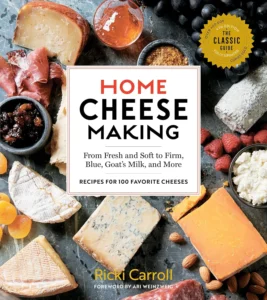
Home Cheese Making, 4th Edition
Ricki Carroll
Interested in making your own cheese? Ricki Carroll’s Home Cheese Making offers recipes for 100 cheeses, covering everything from fresh and soft varieties to firm, blue, and goat’s milk cheeses. With practical instruction on ingredients, equipment, and traditional cheesemaking techniques, it’s a useful resource for anyone ready to explore home dairy production.
Explore additional books on dairy, homesteading, and traditional food production in the Finding Raw Milk Library.
Sources and Further Research
- 21 CFR § 133.113: Cheddar Cheese — Federal cheese standard, including the aging requirement for cheddar made with unpasteurized dairy ingredients.
- Wisconsin Cheese Makers Association: Food Safety Systems Guide to Raw Milk Cheese Production — Industry guidance on milk quality, production controls, aging, and testing.
- FoodSafety.gov: Cold Food Storage Chart — Refrigeration and food storage guidance.