Understanding the Life Cycle of Fresh Milk
Many people worry when they find their raw milk past its expiration date, but understanding the uses for soured raw milk helps you see that this product does not rot like the milk you find in grocery stores. Pasteurized milk eventually spoils and becomes putrid because the heat treatment kills the beneficial bacteria that protect it. Raw milk follows a different path called fermentation.
Raw milk contains live probiotics and enzymes that remain active after you bring the bottle home. These friendly bacteria eventually consume the lactose, which is the natural sugar in the milk. As this happens, the milk begins to sour. This process is a natural preservation method used for centuries.
You can safely consume raw milk even after it begins to sour. It does not become bad in the same way processed milk does. Instead, it transforms into a new type of food with different uses. Most families find their milk stays fresh for drinking for about 1 to 2 weeks if kept in the coldest part of the fridge.
The Art of Making Clabbered Milk
One of the most popular uses for soured raw milk is making clabbered milk. If you leave raw milk at room temperature, the probiotics cause it to thicken into a drinkable style yogurt. This happens faster at temperatures above 40 degrees Fahrenheit. Clabbered milk has a higher level of enzymatic activity than fresh milk.
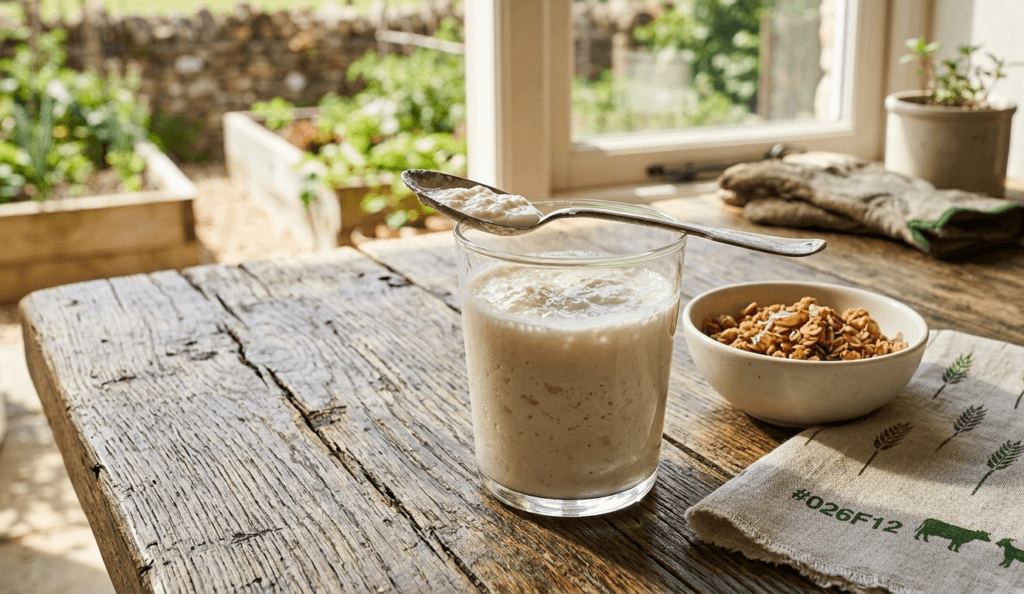
You can enjoy clabbered milk as a probiotic drink. It offers a tart flavor similar to kefir or plain yogurt. This traditional food supports your gut health by introducing beneficial Lactobacillus into your microbiome. You do not need special equipment to make it; you simply allow the natural bacteria to do their work.
Many people use clabbered milk as a base for other recipes. It provides a thick texture that works well in a variety of dishes. You are essentially using the natural life cycle of the milk to create a nutrient dense snack.
Uses for Soured Raw Milk in Cooking and Baking
If your milk tastes too tart for a plain glass, use it in your kitchen. Soured raw milk is a perfect substitute for buttermilk in any recipe. You can use it to make pancakes, waffles, or biscuits. The acid in the soured milk reacts with baking soda to help your baked goods rise.
You can also use soured milk in savory cooking. It adds a rich, tangy flavor to creamy soups or sauces. Because the milk is already acidic, it helps tenderize meats if you use it in a marinade. Some people use it as a base for homemade salad dressings.
Using aged milk in cooking ensures that you never waste a drop of your investment. You are getting the minerals and proteins from the milk even if the flavor has shifted. This is a common practice among farmers who produce raw milk for their own families.
Making Smoothies and Probiotic Shakes
Soured raw milk is an excellent addition to your morning smoothie. You can blend it with frozen fruit, honey, or maple syrup to mask the tartness. The thick texture of clabbered milk creates a creamy consistency without the need for processed thickeners.
There are many recipes available for clabbered milk smoothies. These drinks provide a significant boost of enzymes and probiotics. You can add raw cream or raw butter to the mix to increase the healthy fat content. This creates a filling meal that supports your energy levels.
You might also try making a raw liquid whey drink. When milk clabbers, it often separates into solid curds and liquid whey. You can strain the mixture through a cheesecloth. The whey is packed with nutrients and can be added to juice or water for a hydrating boost.
Creating Traditional Dairy Products
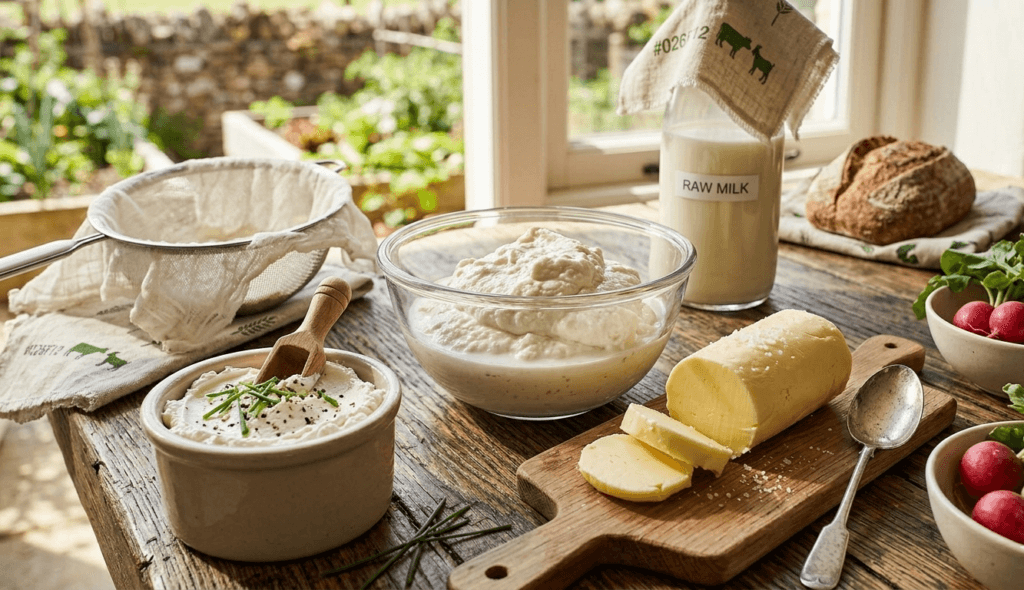
You can use aged raw milk to create a variety of traditional dairy staples. Farmers often cite over 101 uses for soured raw milk. You can make your own raw yogurt or kefir at home using simple methods. These fermented foods stay fresh in your refrigerator for much longer than plain milk.
You can also try making raw butter if you have a high cream line. If you let the cream sour slightly before churning, you create cultured butter. This type of butter has a deeper flavor and contains more probiotics than standard butter. You can also make ghee, which is clarified butter used in high heat cooking.
For those interested in cheesemaking, soured milk is the starting point for many simple cheeses. You can make cottage cheese or even quark, which is a soft cheese similar to ricotta. These projects allow you to explore the full potential of your fresh dairy.
A Nutritious Pet Food Topper
If you have a dog or cat, one of the best uses for soured raw milk is as a nutritional booster. Pouring clabbered milk over dry or raw pet food adds moisture and important enzymes to their diet. Many pets enjoy the tangy flavor, and the probiotics support their digestive health and immune system.
Raw dairy contains lactase, which helps animals break down milk sugars more easily than pasteurized versions. This makes it a gentle option for animals that might otherwise be sensitive to dairy. It is a simple way to utilize milk that has become too tart for your own morning coffee while improving your pet’s bowl. Using your extra supply this way ensures nothing goes to waste while providing high-quality uses for soured raw milk in your daily routine.
Safety and Storage Tips for Aged Milk
While soured raw milk is safe, you must still use common sense. Always keep your milk refrigerated between 32 and 40 degrees Fahrenheit to control the speed of fermentation. If the milk develops an off-putting smell that is not just sour, or if you see visible mold, you should discard it.
To tell the difference between soured and spoiled milk, look for these signs:
- Soured (Safe): Smells tangy like yogurt, thickens like a gel, tastes tart but clean.
- Spoiled (Discard): Smells putrid or like old gym socks, shows colorful mold (pink, black, or fuzzy), or was cross-contaminated with meat or unclean utensils.
You can also freeze your raw milk to stop the clock entirely. Freezing does not destroy the nutrition of the milk. If you find you cannot finish your gallon before it sours, pour it into smaller containers and put them in the freezer. When you are ready to use it, defrost the milk in the refrigerator.
Unlike pasteurized milk which spoils and becomes putrid when its protective bacteria are destroyed, raw milk naturally ferments through its own live enzymes and probiotics. These “friendly” bacteria consume the milk’s lactose, creating a natural preservation process that causes the milk to sour rather than rot. This means soured raw milk remains safe to consume, essentially transforming into a new, nutrient-dense food instead of becoming waste.
Connecting With Your Local Source
If you want to learn more about raw milk and how to use it, talk to your local farmer. They often have years of experience using every part of the milk. You can find more information on the Raw Milk Institute website or browse your local state laws to find legal sources.
Farmers pay close attention to hygiene to ensure the milk meets strict bacteria tests. This dedication allows you to enjoy a product that is both safe and versatile. You can find locations near you that prioritize these high standards.
By learning to use soured milk, you become part of a traditional food culture. You reduce waste and maximize the health benefits of your food. Whether you are making a smoothie, baking a batch of biscuits, or straining your own cheese, aged raw milk is a valuable tool in your kitchen. Be honest with your family about the flavors they enjoy and experiment with different recipes to find what works for you.
Join the Conversation
What are your favorite uses for soured raw milk in your own kitchen? Whether you have a specific pancake recipe or a unique way to use clabber as a facial mask, we want to hear about it. Drop your favorite recipe using soured raw milk in the comments below. Sharing your experience helps other families in our community get the most out of every jar.
Confused by Dairy Terms?
From A2/A2 protein to the specifics of the Holstein breed, our glossary breaks down the technical side of fresh dairy. Learn more about the animals and standards behind your milk.
Explore the Raw Milk Glossary
Author: Team FRM
The FindingRawMilk Team is dedicated to building the most comprehensive and transparent directory for raw milk enthusiasts. Our mission is to bridge the gap between local farms and consumers by providing verified listings, clear state-by-state legal guides, and educational resources. We believe in the importance of food freedom and strive to make sourcing high-quality, farm-fresh milk as simple as a single search.



Leave a Reply